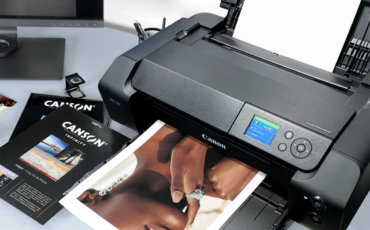
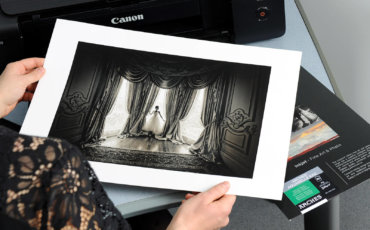
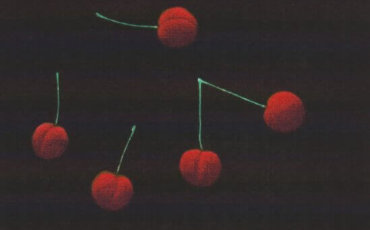
Today, ARCHES® is very proud to present to photographers & printmakers its new range of papers for high-end fine art digital printing. These papers have an innovative surface coating specially developed by its research centres. These are the whitest papers on the market made on a cylinder mould without optical brighteners!
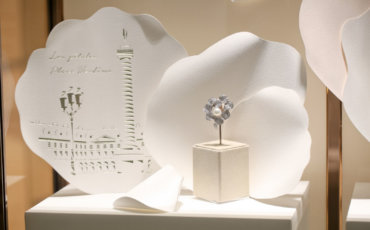
It was during her training in industrial design at ENSAAMA Olivier de Serres, where she graduated in 1989, that Marianne Guély discovered and tamed paper, which would become the signature material for her creations.
Working first as a freelance designer, her expertise in using objects and space as a territory of expression for brands was sharpened when she joined forces with the Cent Degrés agency.
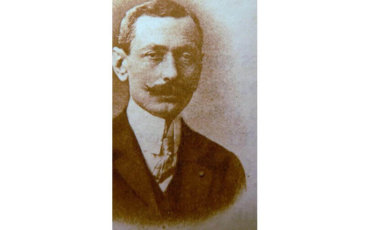
Jules Perrigot was born on 3 November 1861 in Vimoutiers in Normandy.
Following the deaths of his parents and his elder sister, he decided to leave his native region and move to Paris, where he made many friends and met his future wife. Claire was the daughter of Léon Masure, director and owner of Papeteries d’Arches, who lost his life in a fire in 1897. The pair married on 11 February 1888 in Arches, and the paper mill was Claire’s dowry.
In 1994, the Festival du Film Fantastique de Gérardmer picked up the torch dropped by the Festival International du Film Fantastique d’Avoriaz. The new festival was called “Fantastica” until 1996, when it took the name of “Fantastic’Arts”, a sign of its opening up to other forms of artistic expression as well as cinema, including the plastic arts. In 2009 the Festival changed its name to “Festival International du Film Fantastique de Gérardmer”.
In its contemporary form, engraving still has to prove that it deserves its place alongside other artistic disciplines. It suffers from being unjustly represented as outdated, whereas it has never ceased to be a source of creativity.
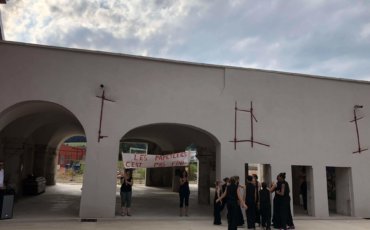
The village of Docelles in the Vosges, “paper town”, is a reality that is very much alive. For the village and its inhabitants, the closure of the LANA paper mill in 2003, after over 400 years of production, marked the beginning of the end of an industrial saga, but also the beginning of a brand new story.
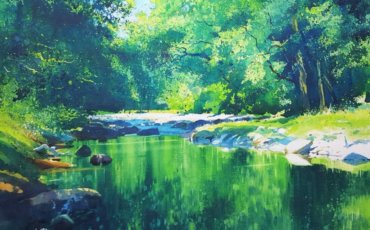
It was at the age of 28, after spending his early years drawing, that Richard naturally moved on to watercolour. By dint of hard work and experimentation, he has perfected his art to such a degree where he is now recognised worldwide.